U N I T E D O V E R S E A S

Loading...

Ne summo dictas pertinacia nam. Illum cetero vocent ei vim, case regione signiferumque vim te. Ex mea quem munere lobortis. Duis aute irure dolor in reprehenderit in voluptate velit esse cillum.

Study In Canada

Book Free Counselling

Why Study in Canada?

Canada is one of the few destinations that genuinely welcomes you to stay. Alongside world-class universities and strong value, it offers paid internships, co-op programmes, 3-year post-study work rights, and clear pathways to permanent residency through Express Entry and Provincial Nominee Programs.

Among the safest countries globally
Post-study work visa up to 3 years
Clear pathways to permanent residency
Paid internships & co-op programmes

Top Universities

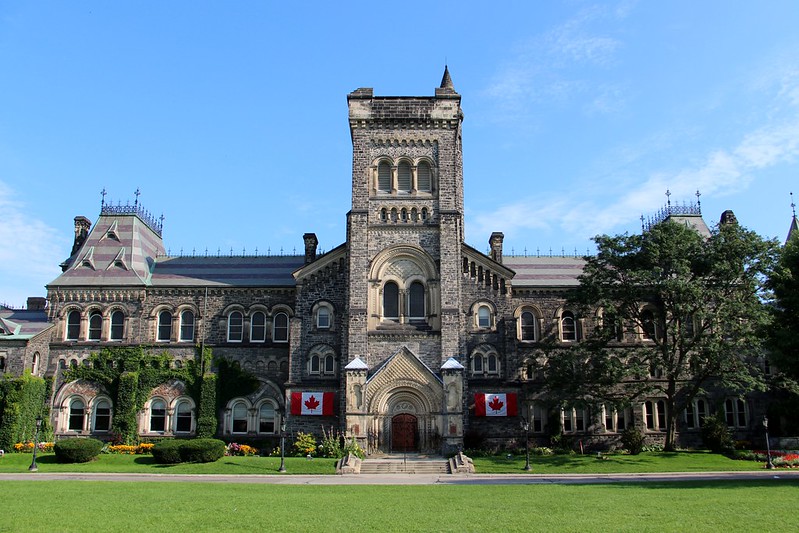
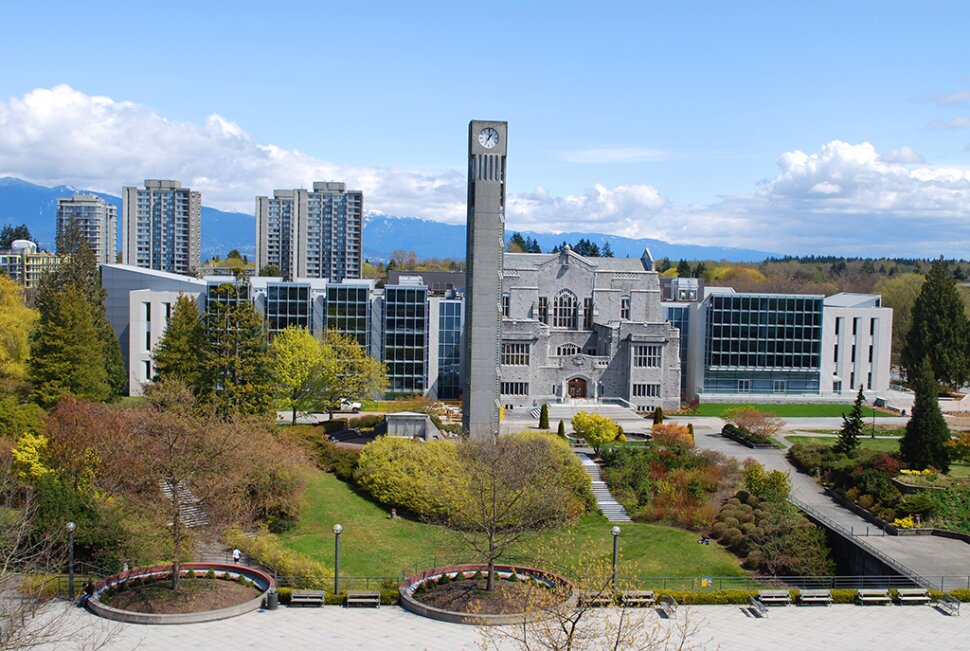
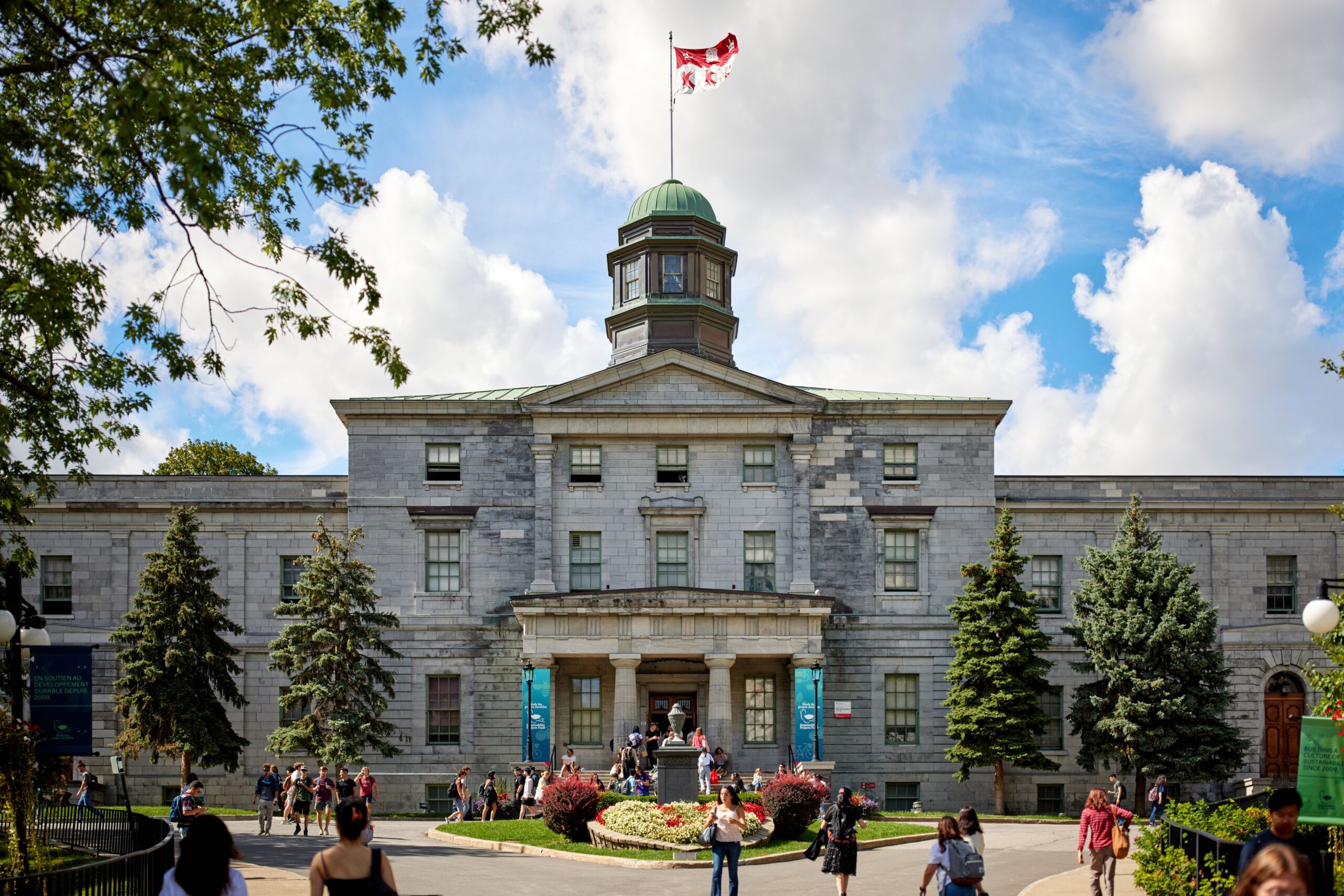
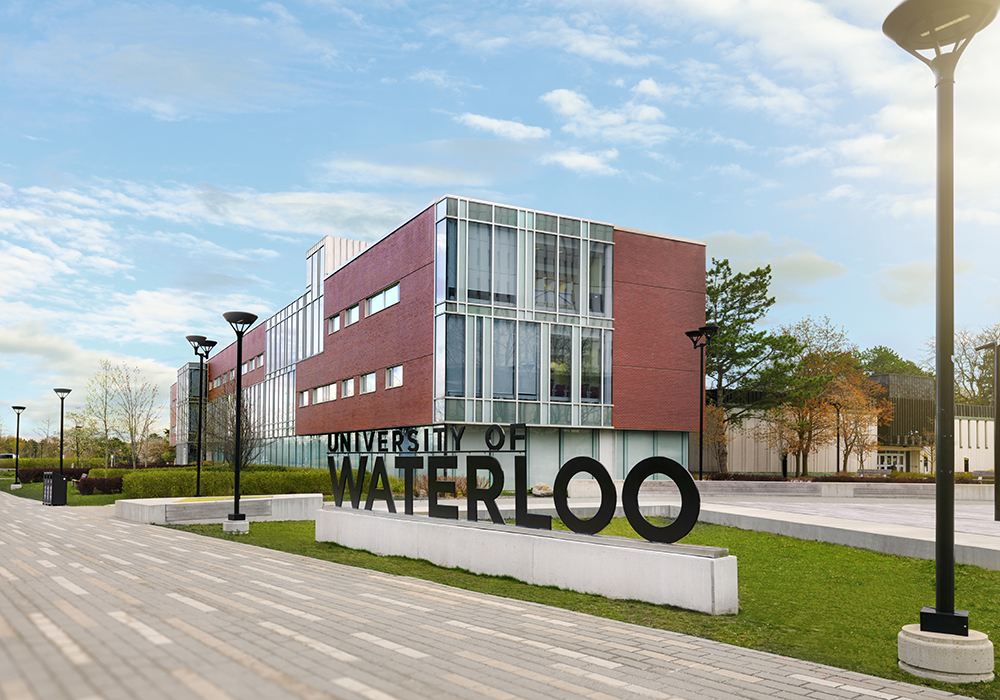
Canada's leading institutions combine global rankings with the academic depth that attracts students from around the world. Here are four of the top-ranked universities we help students access:

University of Toronto

QS Global Rank: #25

University of British Columbia

QS Global Rank: #38

McGill University

QS Global Rank: #30

University of Waterloo

QS Global Rank: #96

Popular Courses

From business and technology to healthcare and creative fields, Canada offers strong programmes across every major discipline. Some of the most popular courses among Indian students include:

Confused about which course to choose?

Let our experts guide you to the right university and program.

Talk to an Expert

Intakes & Admission Calendar

Knowing when to apply is half the battle. Canada operates on a structured intake calendar — here's what to plan around:

Intake Period Notes
Fall Intake September – December Widest programme range — primary intake
Winter Intake January – April Fewer programmes, strong secondary option
Summer Intake May – August Limited — mostly short courses and diplomas

Cost of Studying

Canada offers strong value vs. the US and UK, especially at public universities. Diploma programmes at community colleges are more affordable and often include paid co-op placements.

Diploma Tuition
CAD 17,000
Bachelor's / Master's Tuition
CAD 20,000 – 35,000
Living & Accommodation
CAD 15,000 – 22,895
Airfare (India to Canada)
CAD 2,500
Visa & Biometric Fees
CAD 235

Student Visa Requirements

International students need a Study Permit (different from a visa — it authorises study; the visa/eTA allows entry). Requirements: admission letter from a Designated Learning Institution (DLI), proof of funds, passport, and biometrics. Application fee CAD 150 plus CAD 85 biometric fee.

Start the process 4–6 months before your course begins. Canada has announced study permit caps of 155,000 new permits in 2026 and 150,000 in 2027 and 2028 — targeting academically strong, goal-driven students.

How we help: Our team manages DLI verification, biometric scheduling, and submission within the new quota framework.

Scholarships

Canadian scholarships come from government (Vanier), provinces, and universities — covering fields from scientific research to humanities.

Our role: We identify scholarships that match your profile and help you prepare strong applications.

Work Rights & Post-Study Opportunities

Students can work 24 hours per week off-campus during term and full-time during breaks. After a PGWP-eligible programme, you qualify for a Post-Graduation Work Permit (PGWP) up to 3 years. Canada plans to transition up to 33,000 work permit holders to Permanent Residence between 2026–2027, reinforcing its commitment to skilled graduates.

Tuition Range
CAD 17K – 35K
Living Costs
CAD 15K – 23K/yr
Work Rights
24 hrs/week (term)
Post-Study Work
Up to 3 years

Ready to start your journey?

Get end-to-end support for application and visa processing.

Apply Now

How United Overseas Education Helps You Study in Canada

Our role doesn't end with your application — it runs from your very first counselling session until long after you've landed.

1
Personalised university and course shortlisting based on your profile
2
Complete application support — from SOP writing to document preparation
3
Study permit guidance with a transparent, step-by-step process
4
Education loan assistance through our banking partners
5
Pre-departure briefing and on-shore accommodation support
6
Ongoing support after you land — we don't disappear after permit approval

Top Reasons to Choose Canada

High Quality, Strong Value

World-class education at lower tuition than the US or UK.

Post-Graduation Work Permit

Up to 3 years of open work rights after graduation.

Pathway to Permanent Residency

Express Entry and Provincial Nominee Programs create clear PR pathways.

Safe & Welcoming

Consistently ranked among the world's safest and most student-friendly countries.

Hands-On Learning

Co-op programmes and paid internships are built into many programmes.

Work While You Study

24 hours per week during term, unlimited during breaks.

Top Student Cities

Where you study shapes how you live. Here are the cities where our students most often build their Canada story:

Toronto

Toronto

Canada's largest city — diverse, dynamic, home to the University of Toronto.

Vancouver

Vancouver

Pacific coast and mountains — home to UBC and a major tech hub.

Montreal

Montreal

Bilingual, culturally rich — home to McGill University.

Ottawa

Ottawa

The capital — smaller, more affordable, strong research opportunities.

Frequently Asked Questions

Q1. What exams do I need to study in Canada?
English proficiency (IELTS/PTE). Academic tests depend on programme—GRE for management, SAT for undergraduate.
Q2. Are Canadian qualifications recognised worldwide?
Yes — degrees from accredited Canadian universities are globally recognised and respected.
Q3. Can I work while studying in Canada?
Yes — 24 hours per week during term and full-time during breaks.
Q4. How do I justify an education gap for Canada?
Common reasons: professional work experience, exam preparation, or skill-development courses. We help you frame this.
Q5. How should I approach writing an SOP for Canada?
Explain your motivation, academic background, and post-graduation goals clearly. Avoid generic templates.
Q6. What are the pathways to permanent residency?
Express Entry, CEC, and PNPs. Many students use PGWP experience to qualify within 1–2 years.

Start Your Journey Today!

Fill out the form below and our expert counsellors will get back to you shortly.