U N I T E D O V E R S E A S

Loading...

Ne summo dictas pertinacia nam. Illum cetero vocent ei vim, case regione signiferumque vim te. Ex mea quem munere lobortis. Duis aute irure dolor in reprehenderit in voluptate velit esse cillum.

Study In Germany

Book Free Counselling

Why Study in Germany?

Germany is one of the world's most value-driven study destinations — most public universities charge no tuition for international students. Combined with a strong industrial economy, world-class engineering, 18-month post-study job search visas, and growing English-taught programmes, it's a serious alternative to the pricier Anglophone destinations.

Zero tuition at most public universities
18-month post-study job search visa
English-taught programmes widely available
Strong pathway to EU permanent residency

Top Universities

Germany's leading institutions combine global rankings with the academic depth that attracts students from around the world. Here are four of the top-ranked universities we help students access:

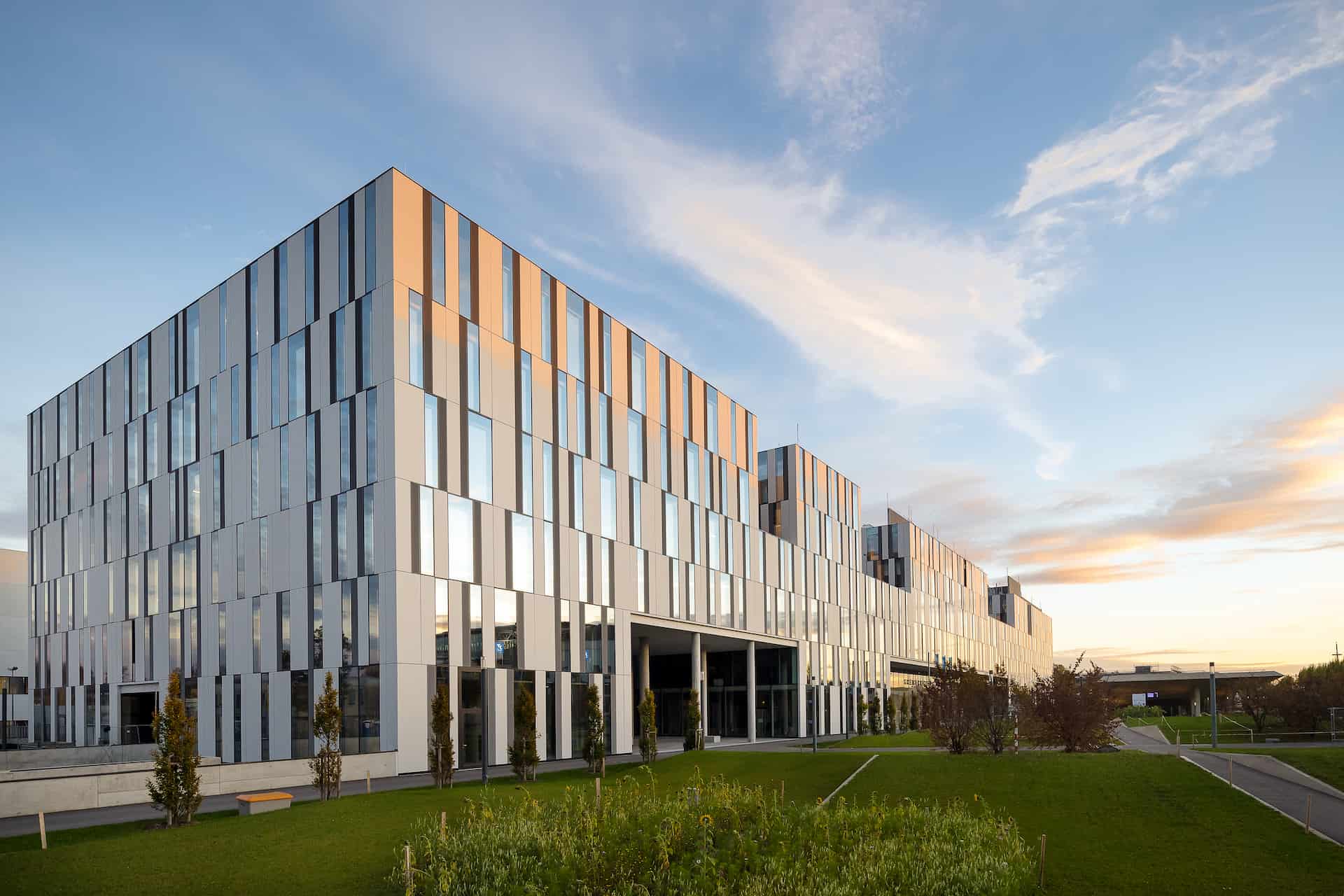
Technical University of Munich (TUM)

QS Global Rank: #28

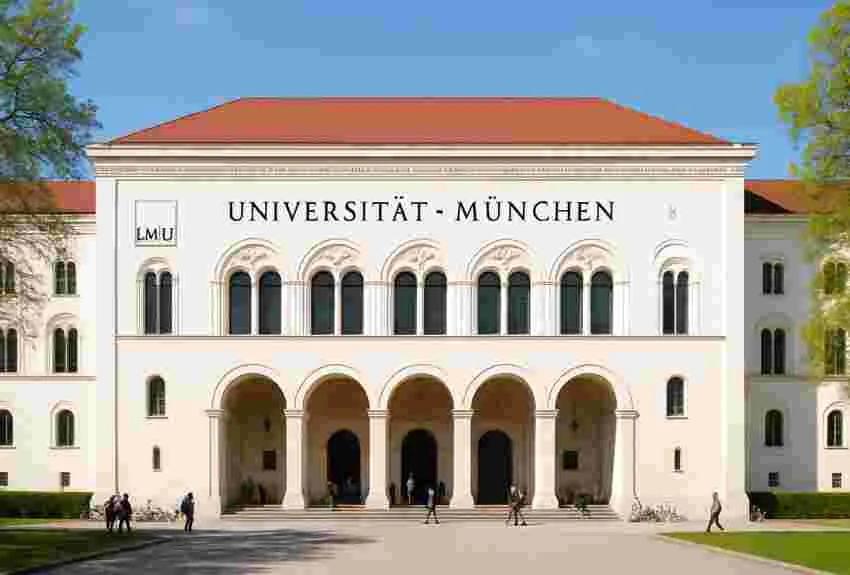
Ludwig Maximilian University of Munich

QS Global Rank: #59

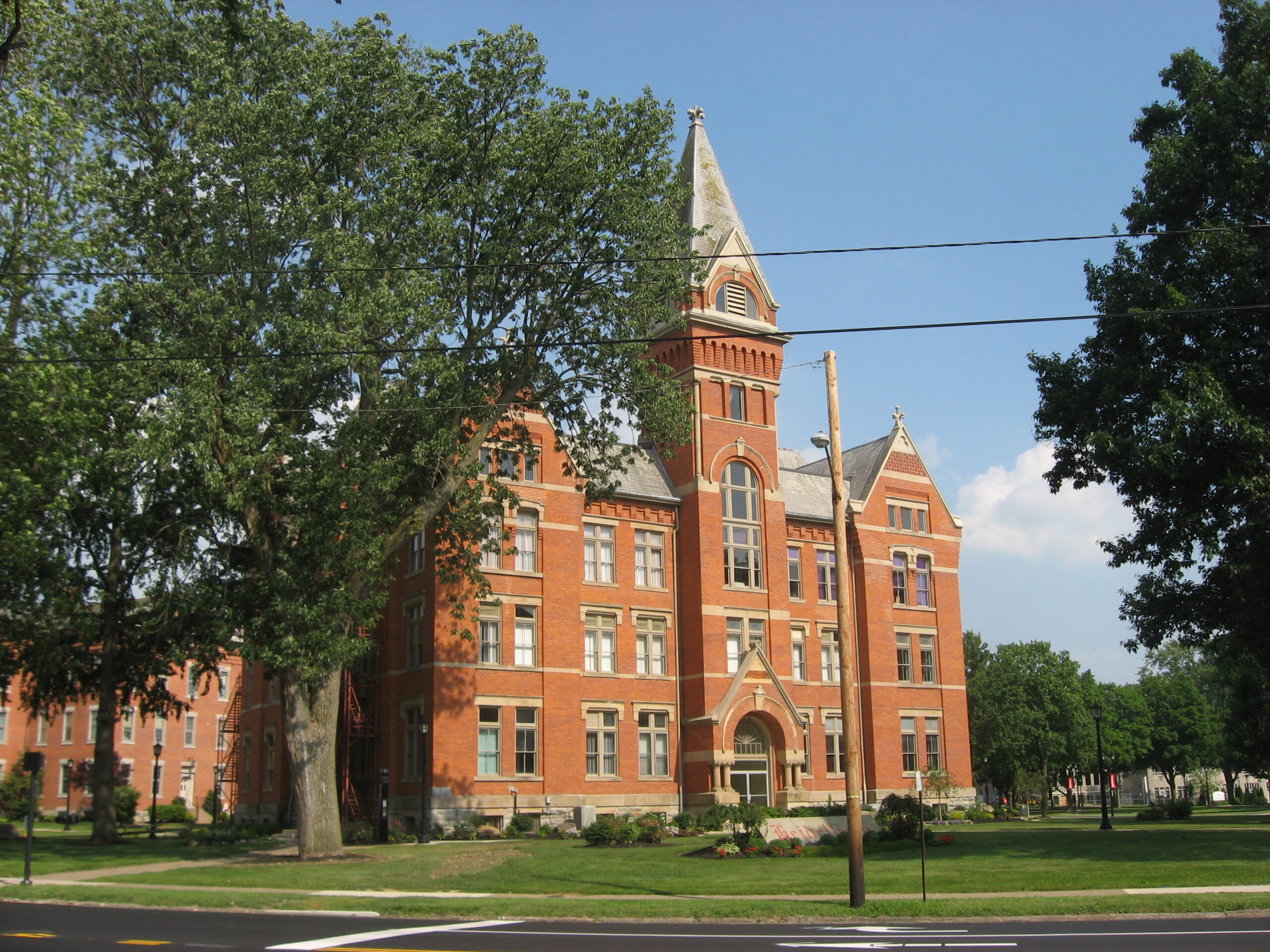
Heidelberg University

QS Global Rank: #87

RWTH Aachen University

QS Global Rank: #99

Popular Courses

From business and technology to healthcare and creative fields, Germany offers strong programmes across every major discipline. Some of the most popular courses among Indian students include:

Confused about which course to choose?

Let our experts guide you to the right university and program.

Talk to an Expert

Intakes & Admission Calendar

Knowing when to apply is half the battle. Germany operates on a structured intake calendar — here's what to plan around:

Intake Period Notes
Winter Semester September – February Primary intake — widest availability
Summer Semester March – August Strong secondary; availability varies
Application Deadlines July 15 / January 15 Standard for most public universities

Cost of Studying

Germany's biggest advantage: no tuition at most public universities. The blocked account (Sperrkonto) is your own money, released monthly.

Public University Tuition
EUR 0 (semester fee EUR 150–350)
Private University Tuition
EUR 10,000 – 25,000
Living & Accommodation
EUR 10,200 – 12,000
Health Insurance (mandatory)
EUR 1,300
Blocked Account (for visa)
EUR 11,904

Student Visa Requirements

Indian students need a German Student Visa (National Visa / Type D). Requirements: admission letter, proof of funds via a blocked account (EUR 11,904), health insurance, valid passport, academic transcripts, and German or English proficiency. Processing takes 6–12 weeks.

Within two weeks of arriving, register your address (Anmeldung) and convert your entry visa to a residence permit for studies.

How we help: We guide you through blocked account setup, APS certification, and embassy documentation to ensure precision.

Scholarships

Germany offers generous scholarships through DAAD, Deutschlandstipendium, and foundations like Heinrich Böll or Konrad-Adenauer.

Our role: We help you identify the right DAAD programmes and prepare the detailed applications including research proposals.

Work Rights & Post-Study Opportunities

Students can work 140 full days or 280 half days per year. After graduation, an 18-month Job Seeker Visa lets you find qualifying work leading to an EU Blue Card.

Tuition (Public)
EUR 0 – 350/sem
Living Costs
EUR 10K – 12K/yr
Work Rights
140 full / 280 half days
Post-Study Visa
18 months

Ready to start your journey?

Get end-to-end support for application and visa processing.

Apply Now

How United Overseas Education Helps You Study in Germany

Our role doesn't end with your application — it runs from your very first counselling session until long after you've landed.

1
Personalised university and course shortlisting based on your profile
2
Complete application support — including APS and blocked account setup
3
Visa guidance with a transparent, step-by-step process
4
Education loan assistance through our banking partners
5
Pre-departure briefing and on-shore accommodation support
6
Ongoing support after you land — Anmeldung and residence permit guidance

Top Reasons to Choose Germany

No Tuition Fees

Most public universities charge only a nominal semester contribution of EUR 150–350.

Post-Study Job Search Visa

18 months to find work after graduation with a clear EU Blue Card pathway.

Engineering Excellence

Germany leads Europe in R&D with world-class engineering and tech programmes.

English-Taught Programmes

Many master's and PhD programmes run entirely in English — no German required for admission.

Low Cost of Living

Cities like Leipzig and Aachen offer significantly lower costs than Western Europe.

Gateway to EU Careers

A German residence permit and EU Blue Card open doors across all 27 EU countries.

Top Student Cities

Where you study shapes how you live. Here are the cities where our students most often build their Germany story:

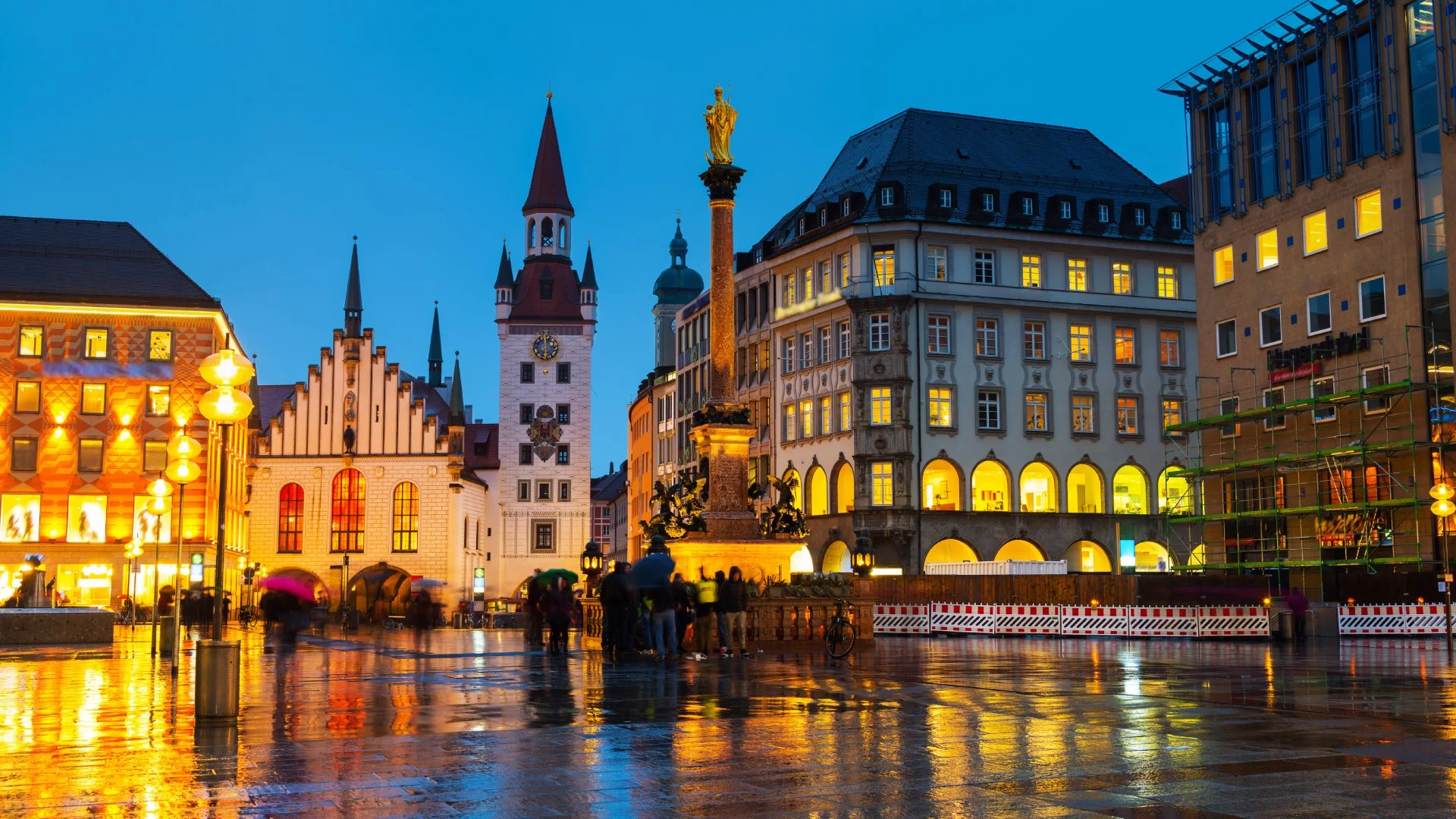
Munich

Munich

Bavarian capital — home to TUM and LMU, plus BMW and Siemens HQs.

Berlin

Berlin

Startup-focused, creatively charged — home to Humboldt University and TU Berlin.

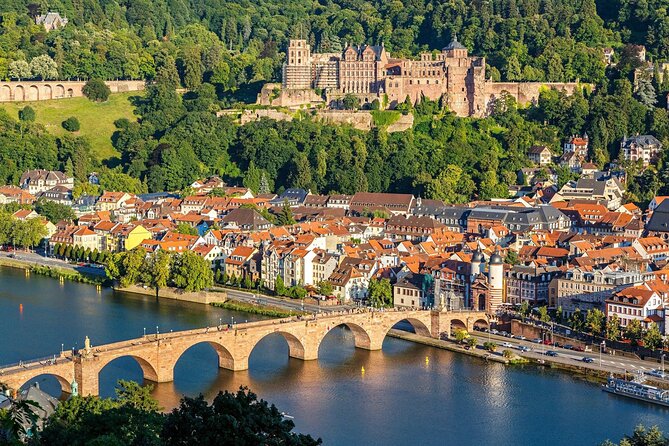
Heidelberg

Heidelberg

Germany's oldest university town — historic, compact, research-intensive.

Aachen

Aachen

Home to RWTH Aachen, one of Europe's top engineering universities.

Frequently Asked Questions

Q1. Do I need to know German to study in Germany?
Not necessarily — many master's and PhD programmes are taught entirely in English. Undergraduate programmes more commonly require German.
Q2. What is a blocked account and why do I need one?
An account where you deposit EUR 11,904 as proof of funds. The bank releases approx. EUR 992 monthly. It is your own money.
Q3. What is APS certification?
The German Embassy verifies academic documents before admission/visa. Indian students must obtain this; start 4–6 weeks early.
Q4. Can I work while studying in Germany?
Yes — 140 full days or 280 half days per year. Many students find roles at universities or in hospitality.
Q5. What happens after I graduate?
Apply for the 18-month Job Seeker Visa. Transition to a residence permit or EU Blue Card after finding qualifying work.
Q6. Are private universities worth it in Germany?
For specific programmes like MBA, yes. They offer smaller cohorts and stronger corporate links. Public unis offer better overall value.

Start Your Journey Today!

Fill out the form below and our expert counsellors will get back to you shortly.